The End of AI Slop

AI That Ships
Production Code

A fully autonomous SDLC with 18 quality analyzers, 13 security scanners, adversarial review, mutation testing, and cryptographic attestation on every release.

Explore the Architecture Code Hardener PRD
18
Code Quality Analyzers
13
Security Scanners
12
Scan Profiles
29
Specialized Agents
6
SDLC Gates

Everyone Else Is Shipping AI Slop

The industry has a dirty secret: most AI-generated code is embarrassing. Copilots autocomplete, but nobody's verifying the output.

62%

Dead Code & Duplication

AI models generate redundant logic, unused functions, and copy-paste patterns that bloat codebases and hide bugs.

40%

Known Vulnerabilities

AI-generated code regularly contains SQL injection, XSS, hardcoded secrets, and insecure dependencies — patterns the model learned from bad training data.

0%

Automated Documentation

No architecture decision records. No threat models. No compliance artifacts. AI generates code and hopes for the best.

0

Quality Gates

No peer review. No mutation testing. No adversarial analysis. The code goes from LLM to production with nothing but a developer glancing at it.

BulletproofSoftware.tech is the opposite of all of this.

Every phase of the development lifecycle has documentation, reviews, gates, and checks. Nothing ships without proof.

A Complete Autonomous Development Factory

Seven integrated domains that cover every phase from requirements to deployment — with quality gates at every handoff.
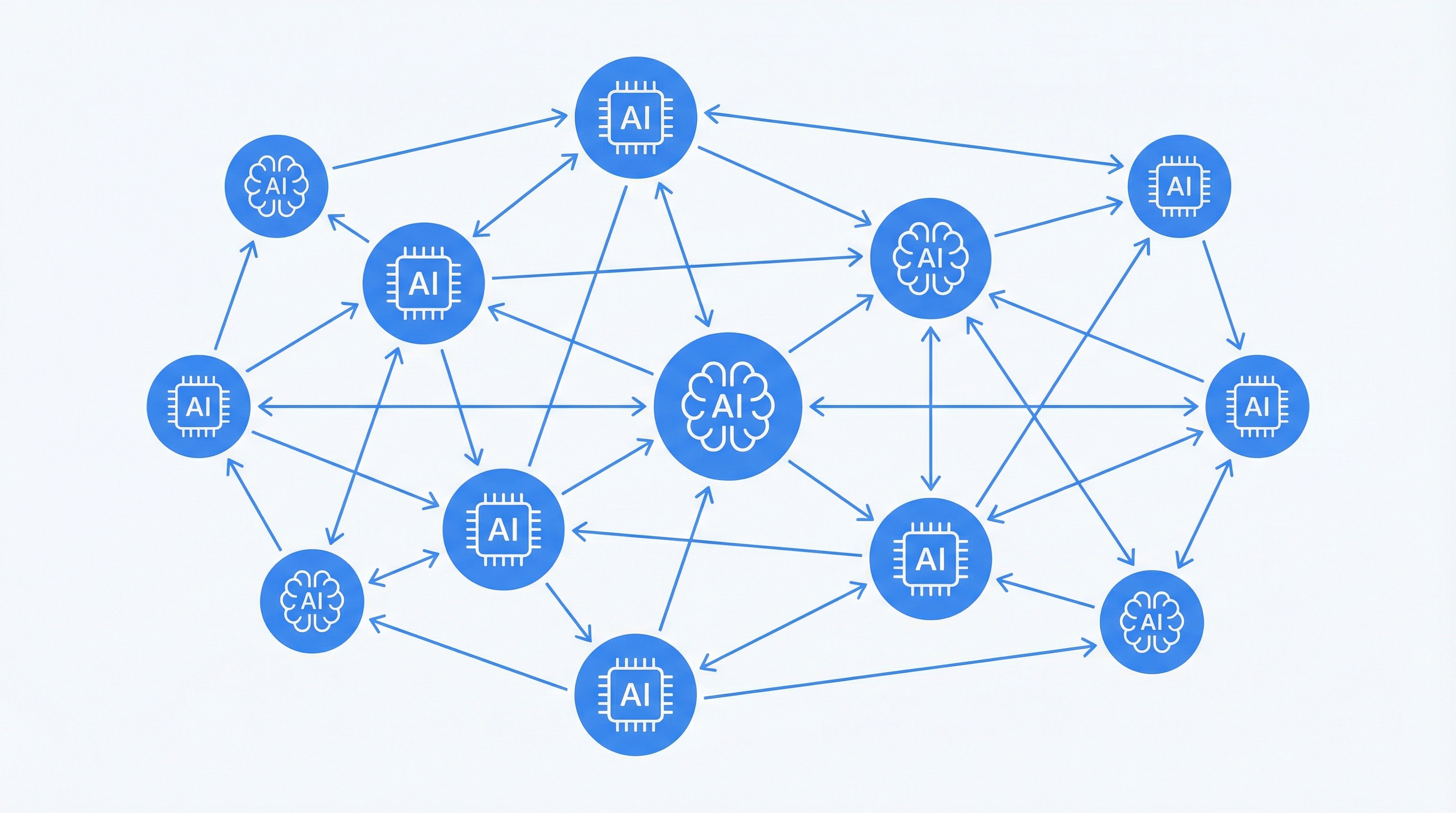
Agents
29 agents · 4 tiers

Multi-Agent Orchestration

29 specialized agents route every task through the right expertise. 5-signal classification determines complexity, and tiered quality gates ensure nothing moves forward without review.
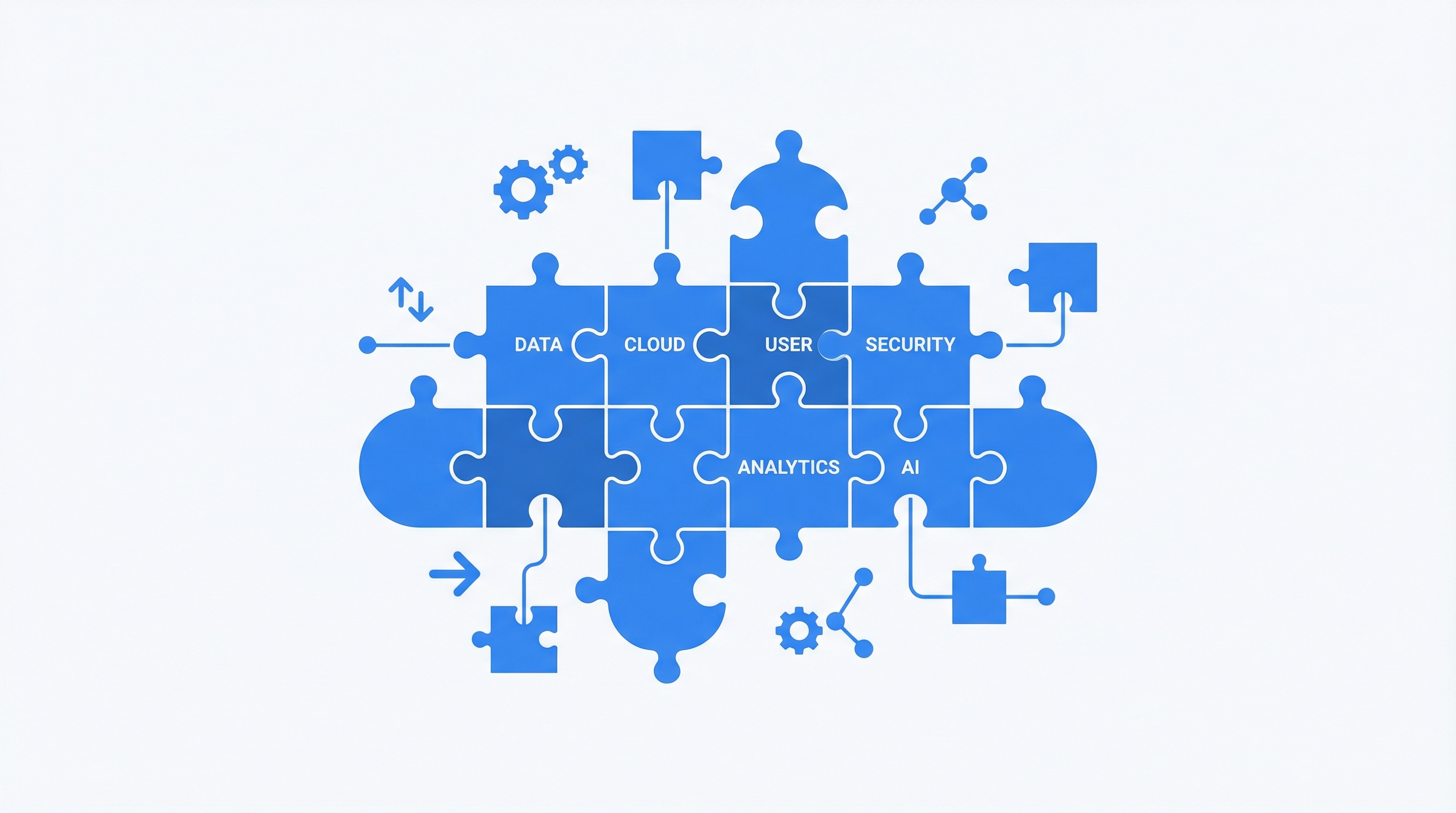
Plugins
8 lifecycle hooks

Plugin Ecosystem

Extensible at every level. 8 lifecycle hooks intercept every tool call, every session start, every context compression. Skills, commands, and MCP integration let you customize the entire pipeline.
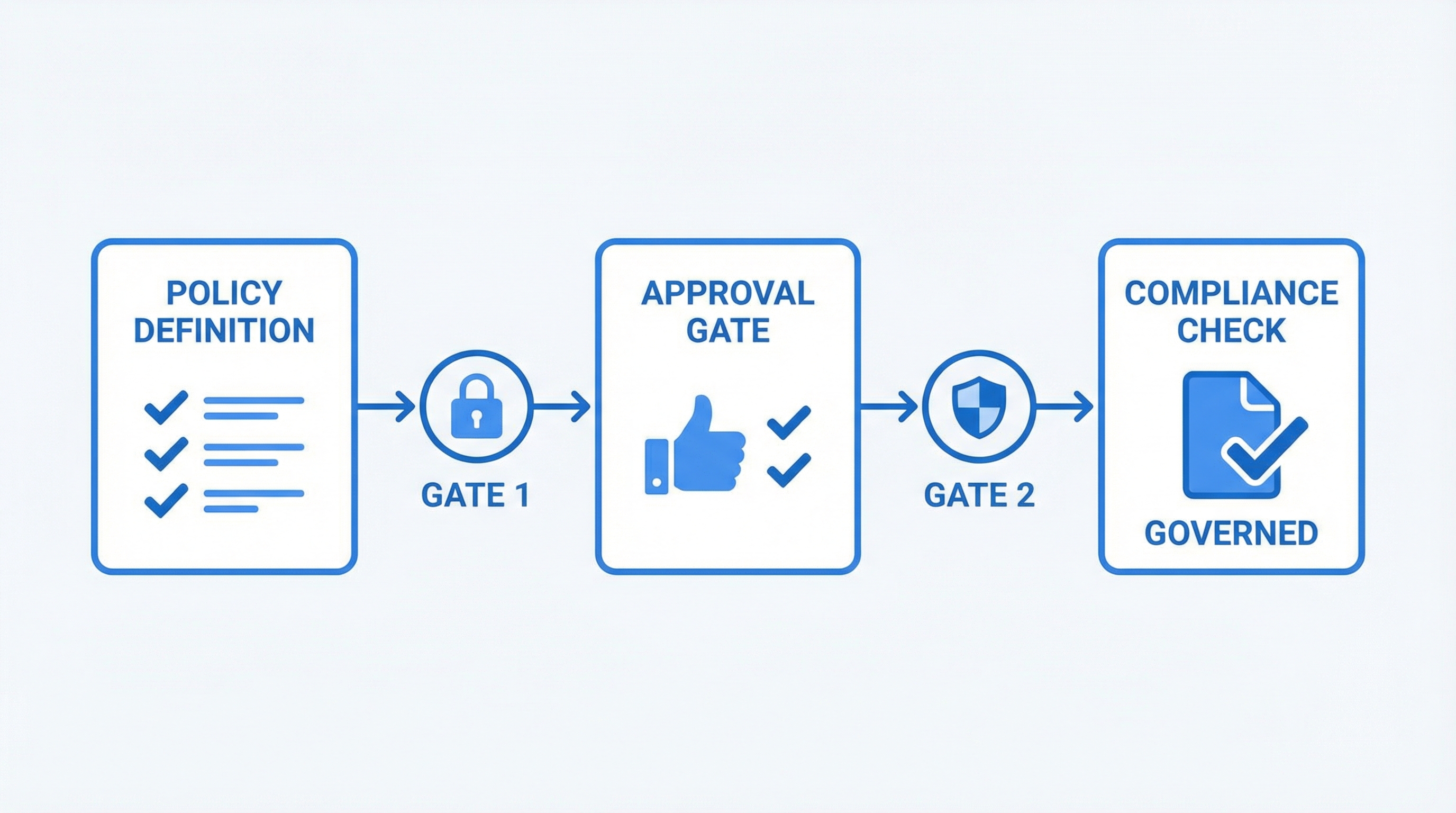
Governance
TRiSM-compliant

Agent Governance

Trust levels, data classification ceilings, audit trails, and LLM threat detection. Every agent action is logged, every permission is enforced, every decision is traceable.
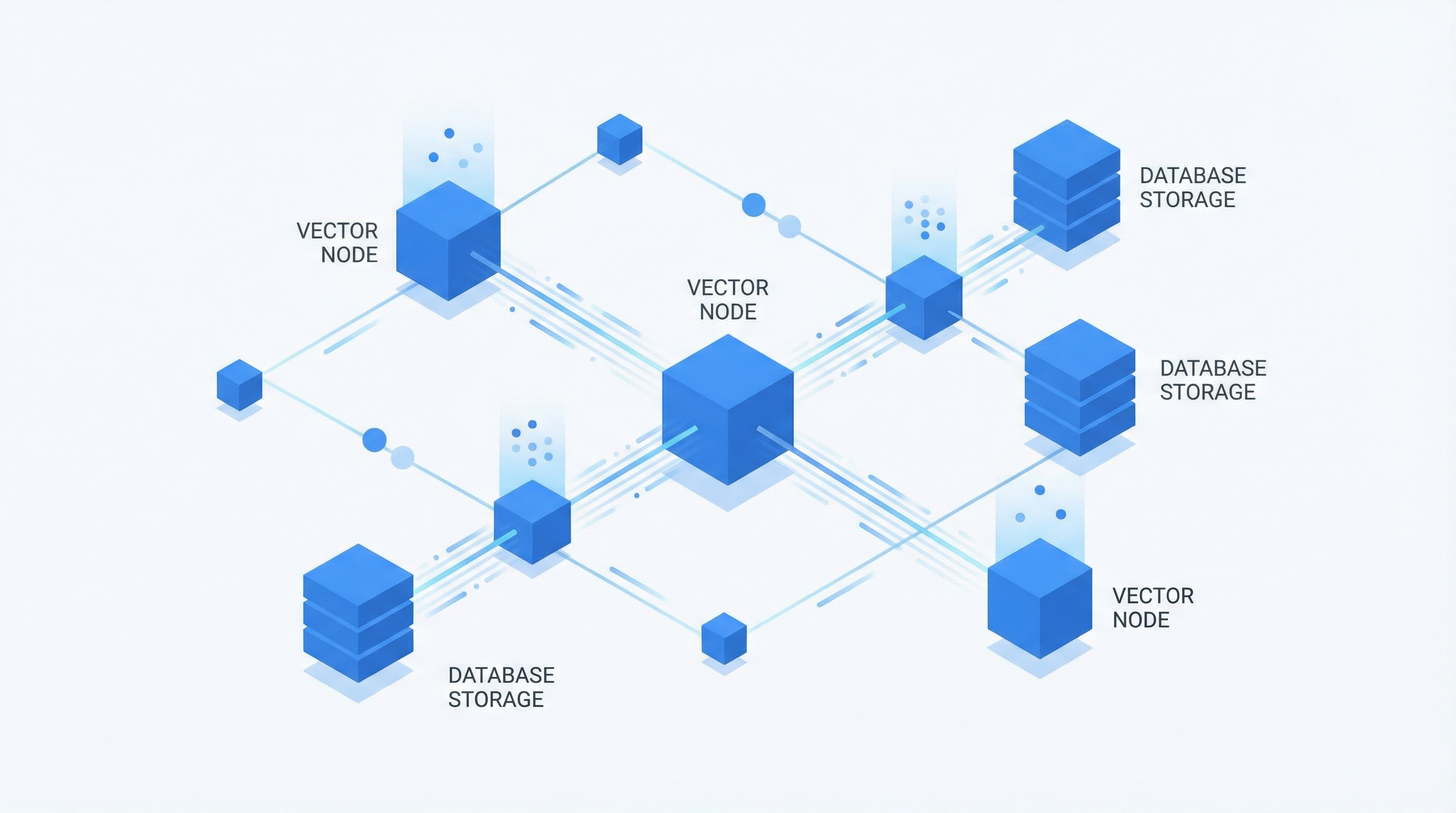
Memory
6 MCP tools

Persistent Vector Memory

Agents learn from every interaction. Semantic recall surfaces institutional knowledge across sessions. Procedures, trajectories, and learnings accumulate into organizational intelligence.
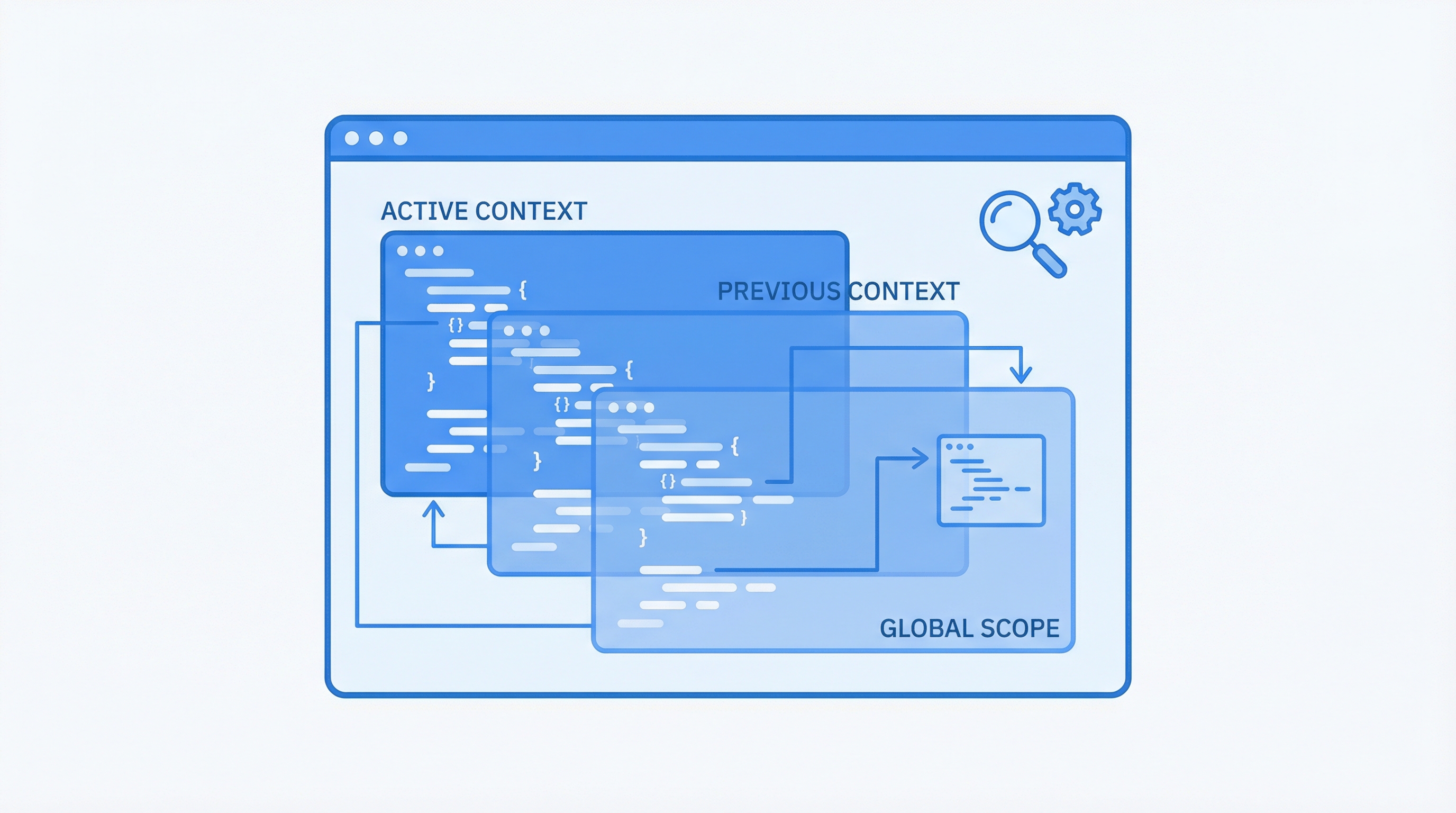
Context
Session-aware

Context Management

Hierarchical context ensures agents maintain coherent behavior across sessions, projects, and teams. Auto-memory and intelligent compression prevent context loss.
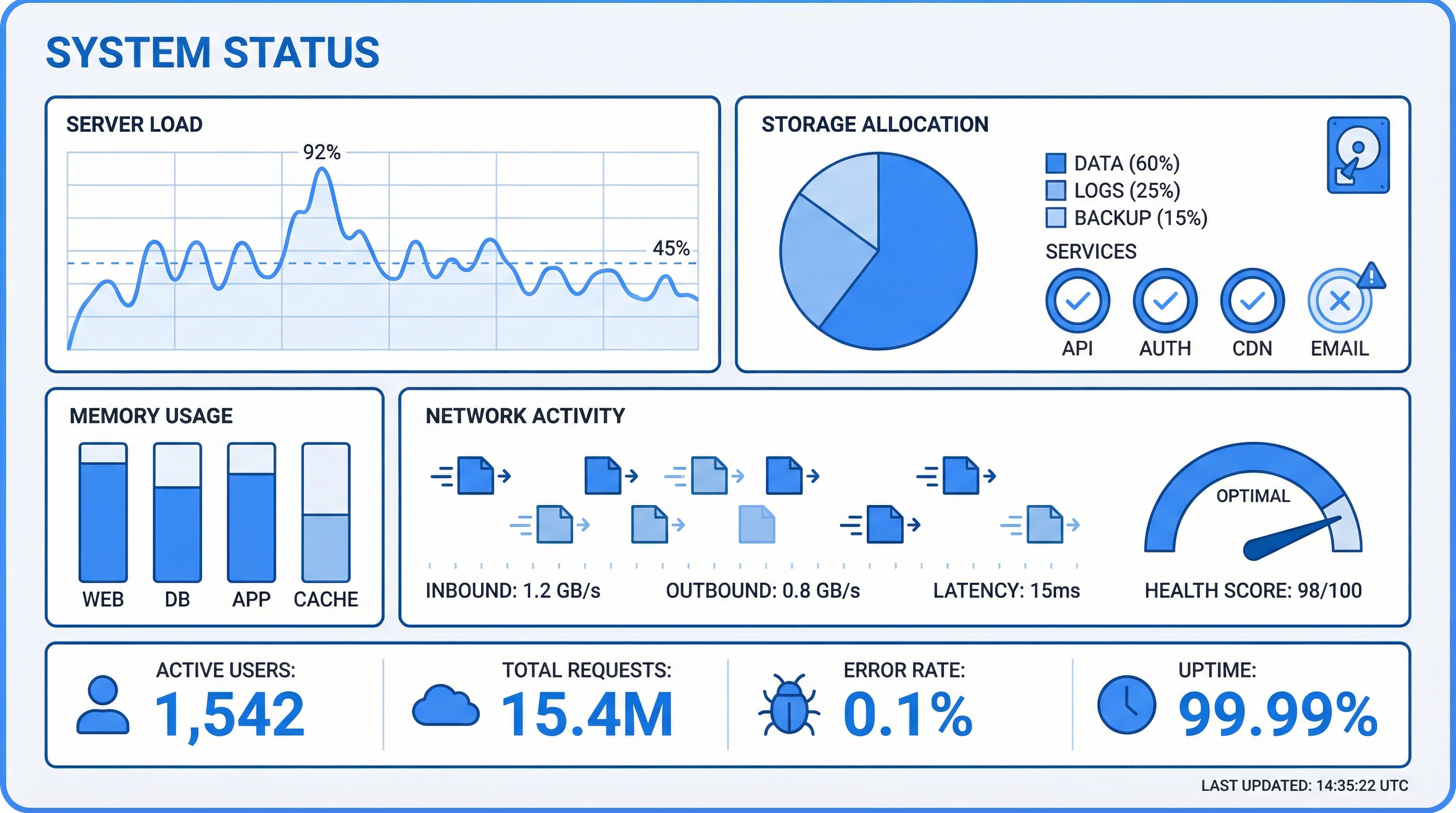
Dashboard
Real-time analytics

Memory Dashboard

D3.js knowledge graphs, semantic search, drift detection, and collection monitoring. See what your agents know, what they've learned, and where knowledge gaps exist.
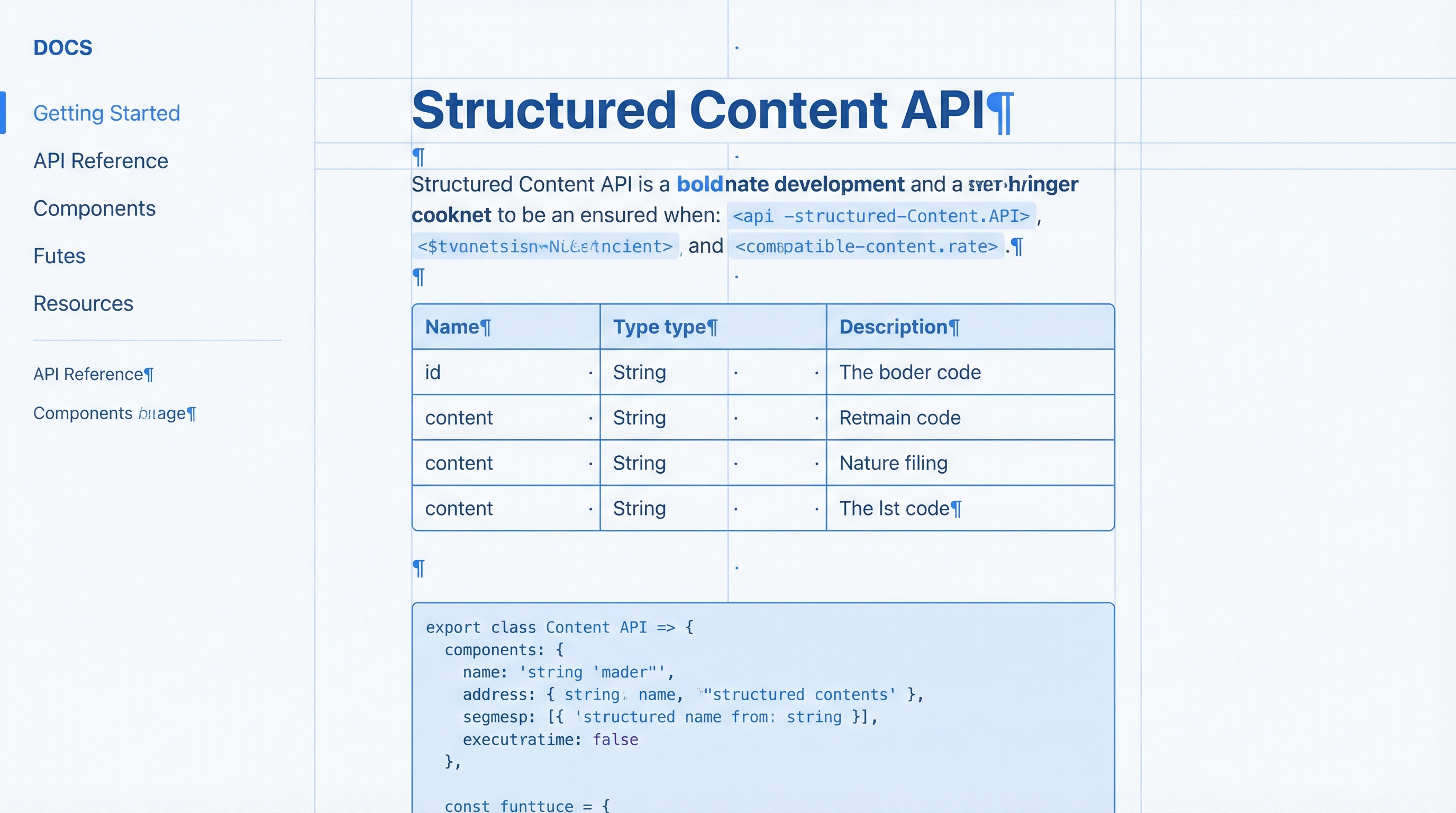
Content Proxy
Token-efficient

Markdown-for-Agents

Clean, token-efficient content from any URL. Agents consume documentation, APIs, and reference material without wasting context on HTML noise.

67 Tools. Two Missions.

Code quality and security are different problems. We attack both with dedicated tool chains that work together through a unified enrichment pipeline.

18
Code Quality Analyzers

Kill the Slop

  • Dead code detection
  • Duplication analysis
  • Cyclomatic complexity scoring
  • Naming convention enforcement
  • Error handling completeness
  • API contract validation
  • Type safety analysis
  • Documentation completeness
  • Pattern conformance checking
  • Architectural boundary enforcement
  • ESLint, Pylint, Ruff (fast linting)
  • Clippy, golangci-lint, SonarScanner
  • PMD, ShellCheck
13
Security Scanners

Lock It Down

  • Semgrep — multi-language SAST
  • Trivy — vulnerabilities, containers, IaC
  • Bandit — Python security anti-patterns
  • Gitleaks — secrets in source & history
  • Bearer — sensitive data flows, API security
  • Checkov — Terraform, K8s, CloudFormation
  • Grype — container image scanning
  • OSV-Scanner — Google vuln database
  • njsscan, gosec, cargo-audit
  • pip-audit, npm audit

6-Stage Finding Enrichment Pipeline

< 5% false positive rate

Raw tool output is noise. Other platforms dump thousands of unranked findings on your desk. Our pipeline transforms that chaos into a ranked, actionable set — eliminating the false positives that make developers ignore security tools.

1
Static Analysis
& Dedup
2
Framework-Aware Suppression
3
Reachability Analysis
4
Dataflow Tracing
5
Exploitability Scoring
6
LLM-Assisted Verification

1000-Point Quality Score

Every codebase gets a comparable, quantitative quality number. The sqrt penalty curve means your first critical finding hurts the most — no hiding behind "good enough."

15
Bonus categories
5
Severity levels
Penalty curve

Cryptographic Attestation

Don't trust — verify. Every scan result is Ed25519-signed with Rekor transparency log entries. SLSA Level 3 provenance proves what was scanned, when, and what was found.

Ed25519
Signatures
Rekor
Transparency log
SLSA L3
Provenance

Mutation Testing

Tests that pass aren't enough. Mutation testing injects real bugs into your code and verifies your test suite catches them. Stryker (JS/TS), mutmut (Python), Pitest (Java). If your tests can't detect a mutant, they can't detect a real bug.

Adversarial Dual-AI Review

One AI writes the code. A different AI tries to break it. The critic agent runs independently with a mandate to find every weakness, every edge case, every assumption that could fail in production. Nothing ships without surviving adversarial review.

Documentation That Writes Itself

The reason most AI-generated code is untrusted: there's no paper trail. BulletproofSoftware.tech produces auditable documentation at every phase — so humans can review, approve, and verify without reading every line of code.

Requirements Phase

Business Requirements Document

Automatically extracted from natural language input. Structured requirements with acceptance criteria, priority, and traceability IDs that carry through the entire pipeline.

  • BRD with REQ-XXX identifiers
  • Intent engineering manifest
  • Threat surface map
  • Risk classification matrix
Design Phase

Architecture Decision Records

Every design choice documented with context, options considered, rationale, and consequences. Your future self (and your auditors) will thank you.

  • ADR per decision point
  • Component architecture diagram
  • Agent routing plan
  • Integration dependency map
Implementation Phase

Continuous Quality Reports

Real-time quality scoring as code is written. Every scan result, every finding, every suppression decision is documented with rationale — not just a pass/fail.

  • Live quality score dashboard
  • Finding log with enrichment trail
  • DLP screening results
  • Prohibited behavior audit log
Verification Phase

Assurance Evidence Package

The critic agent's full review: what was tested, what was found, what was fixed, and what was accepted. Includes mutation testing results and adversarial review findings.

  • 67-tool scan report (PDF/HTML/SARIF)
  • Mutation testing coverage report
  • Adversarial review findings
  • SBOM (CycloneDX + SPDX)
Attestation Phase

Cryptographic Proof

Tamper-proof evidence that this code was scanned, reviewed, and approved. Verifiable by anyone with the attestation ID — no trust required.

  • Ed25519-signed scan attestation
  • SLSA Level 3 provenance
  • Rekor transparency log entry
  • Compliance certificate
Ongoing

Governance & Audit Trail

15 structured event types streamed to your SIEM. Every agent action, every tool call, every data access, every policy decision — forensic-grade and queryable.

  • SIEM-ready audit event stream
  • Agent session forensic chains
  • Cost and resource accounting
  • NHI lifecycle documentation
24+
Document Types
6
SDLC Phases Covered
5
Report Formats
15
Audit Event Types
100%
Human-Reviewable

A Real SDLC, Fully Automated

Six phases. Six gates. 24+ document types generated automatically. Every gate requires documented evidence before the next phase begins. The teal tags below show what each phase produces — these are the artifacts your reviewers sign off on.

Phase 1

Requirements

  • BRD extraction
  • Intent engineering
  • Threat surface mapping
  • Risk classification
BRD Threat Model Risk Matrix
Gate: BRD Approved
Phase 2

Design

  • Architecture review
  • Capability routing
  • Agent tier selection
  • ADR documentation
ADRs Arch Diagram Routing Plan
Gate: Design Review
Phase 3

Implementation

  • Real-time code scanning
  • Prohibited behavior monitoring
  • DLP screening
  • Continuous quality scoring
Quality Score Finding Log DLP Report
Gate: Quality Threshold
Phase 4

Verification

  • 67-tool assurance scan
  • Mutation testing
  • Adversarial AI review
  • SBOM generation
Scan Report SBOM Critic Review
Gate: Critic Approved
Phase 5

Attestation

  • Ed25519 signing
  • SLSA L3 provenance
  • Rekor transparency log
  • Compliance reporting
Attestation SLSA Provenance Cert
Gate: Attestation Verified
Phase 6

Monitoring

  • Audit trail analytics
  • Cost tracking
  • NHI lifecycle tracking
  • Drift detection
Audit Events Cost Report NHI Log
Gate: Continuous

Governance That Scales

Not paperwork. Runtime enforcement. Every agent operates within its declared trust boundary, and every violation is logged.

Manifest-Based Identity

Every agent declares its trust level (1–5), permitted tools, and data classification ceiling. No agent can exceed its manifest.

Data Classification

Four tiers: public, internal, confidential, restricted. Ceiling enforcement prevents agents from accessing data above their clearance. Restricted = hard stop, no override.

Tiered Policy Engine

Tools are classified as exempt, standard, or elevated. The policy engine evaluates every tool call against agent trust level, task tier, and data classification in real time.

LLM Threat Detection

Real-time monitoring for prompt injection, encoding attacks, system prompt leakage, jailbreak attempts, and PII exposure across all agent interactions.

MCP Firewall & DLP

Every MCP tool call passes through DLP screening. Content classification gates prevent data exfiltration through external integrations. Nothing leaves without inspection.

Prohibited Behavior Kill Switches

Define behaviors that trigger immediate termination. Configurable per agent, per trust level. No warnings, no retries — hard stop.

SIEM Integration

15 structured audit event types streamed to Wazuh or any SIEM. Forensic-grade payloads for incident response, compliance audits, and regulatory reporting.

NHI Instance Tracking

Non-human identity lifecycle management with per-invocation forensic chains. Cost tracking prevents denial-of-wallet attacks. Every agent session is accountable.

The Whole Pipeline

From requirements to production — with proof at every step.

What "Autonomous" Actually Means

Other platforms use "autonomous" to mean "unsupervised." We use it to mean "self-governing." Every step has checks. Every output has attestation. Every decision has an audit trail.

The result: code you can actually deploy to production without wondering what the AI got wrong.

  • Requirements documented before code begins
  • Architecture reviewed before implementation
  • Code scanned continuously during development
  • Tests validated via mutation (not just coverage)
  • Adversarial review catches what static analysis misses
  • Cryptographic attestation proves compliance
  • Audit trails survive the session
// What happens when you give BulletproofSoftware.tech a task:

REQUIRE  → BRD extracted, threats mapped
   GATE  ← requirements approved
DESIGN   → architecture reviewed, agents routed
   GATE  ← design approved
BUILD    → 29 agents, real-time scanning
   GATE  ← quality score ≥ threshold
VERIFY   → 67-tool scan, mutation testing
   GATE  ← critic agent approved
ATTEST   → Ed25519 signed, SLSA provenance
   GATE  ← attestation verified
SHIP     → deploy with full audit trail

// Compare to everyone else:
PROMPT → CODE → HOPE → SHIP

Gartner AI TRiSM Compliant

Evaluated against Gartner's AI Trust, Risk, and Security Management framework across all four pillars.

95%
AI Governance
90%
Runtime Inspection
95%
Info Governance
75%
Infrastructure

Stop Shipping AI Slop

18 code quality analyzers. 13 security scanners. 6-stage enrichment. Mutation testing. Adversarial review. Cryptographic attestation. This is what production-grade AI development looks like.

Explore PRDs Code Hardener PRD